What Is a Personal Care Assistant in Michigan? Duties and Pay
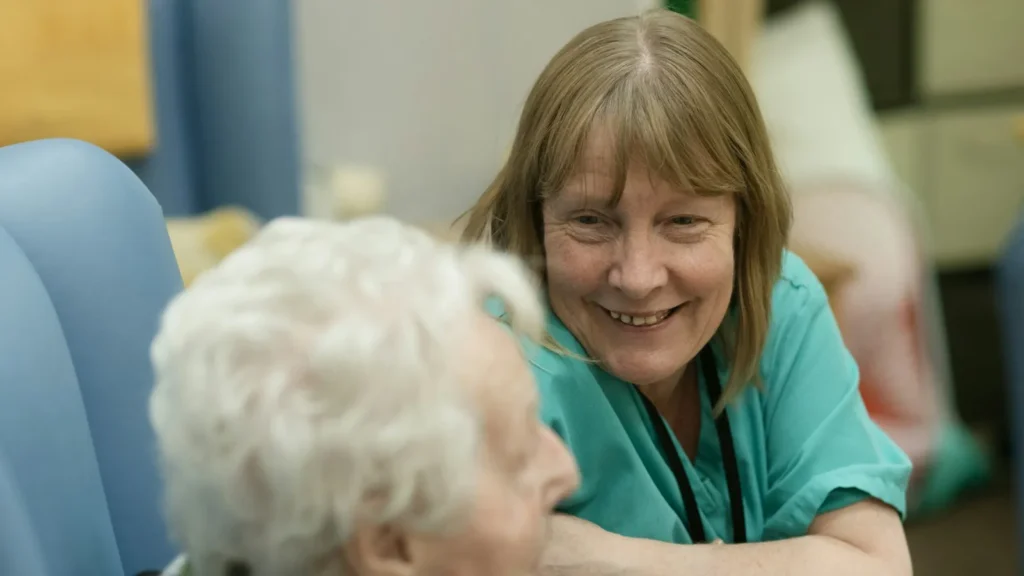
A personal care assistant (PCA) in Michigan is a paid caregiver who helps someone with daily living tasks like bathing, dressing, toileting, meals and moving around the home. PCAs do not provide medical care. In Michigan, most PCAs who serve Medicaid recipients are paid through the MDHHS Home Help program, and the PCA is often a family member.
On this page
- What does a personal care assistant do?
- PCA vs caregiver vs home health aide: what is the difference?
- Do you need a certification to be a PCA in Michigan?
- How much does a personal care assistant make in Michigan?
- How do you get a personal care assistant through Home Help?
- Can a family member be the personal care assistant?
- Personal care assistants across Michigan
- Frequently asked questions
Key takeaways
- A PCA provides hands-on, non-medical help with activities of daily living (ADLs) and household tasks.
- PCAs, caregivers and home health aides overlap, but only a home health aide works under a nurse on a medical plan of care.
- No license or CNA certificate is required to be a Home Help PCA in Michigan; a background check and CHAMPS enrollment are.
- Home Help pays PCAs an hourly rate set by MDHHS, based on the hours approved at the assessment.
- A spouse, adult child, friend or neighbor can be your PCA and get paid for the hours they already give.
What does a personal care assistant do?
A personal care assistant helps a person stay safely at home when age, illness, injury or disability makes everyday tasks hard. The work is physical and practical: it happens in the bathroom, the kitchen and the bedroom, not in a clinic.
In Michigan, the tasks a PCA performs line up closely with what the Home Help program pays for. MDHHS groups them into two categories.
Activities of daily living (ADLs)
- Bathing, showering and skin care
- Dressing and grooming
- Toileting and incontinence care
- Eating and feeding assistance
- Transferring (bed to chair, chair to toilet) and help walking
- Mobility around the home
Instrumental activities of daily living (IADLs)
- Meal preparation and cleanup
- Light housework and laundry
- Grocery shopping and errands
- Medication reminders (not administering medication)
Supervision and companionship are part of the day, but Home Help only pays for time spent on the approved tasks above. A more detailed breakdown is on our personal care assistance service page.
PCA vs caregiver vs home health aide: what is the difference?
These titles get used loosely, and families often ask which one they need. The short answer: a PCA and a caregiver do the same non-medical work, while a home health aide (HHA) works under a nurse on a doctor-ordered plan.
| Role | Type of help | Training required in Michigan | Who usually pays |
|---|---|---|---|
| Personal care assistant (PCA) | Hands-on ADLs plus household tasks | No state license; background check and CHAMPS enrollment for Home Help | Medicaid Home Help, MI Choice Waiver, private pay |
| Caregiver / companion | Supervision, companionship, light tasks; may include ADLs | None required; agency training varies | Private pay, Home Help if tasks qualify |
| Home health aide (HHA) | Personal care under a nurse’s plan, often after a hospital stay | Agency training and competency check; works for a certified home health agency | Medicare, Medicaid, insurance |
“Caregiver” is the everyday word Michigan families and MDHHS use; “PCA” is the job title on agency listings. If your loved one needs wound care, injections or therapy at home, you need a home health agency, not a PCA. Our guide to home care vs home health care in Michigan explains that split in detail.
Do you need a certification to be a PCA in Michigan?
No. Michigan does not license personal care assistants, and you do not need a CNA certificate to be paid as a Home Help provider. MDHHS requires that an individual provider:
- Is at least 18 years old
- Passes a criminal history background check
- Is not on the Medicaid excluded-provider list
- Enrolls in CHAMPS (the Community Health Automated Medicaid Processing System) and completes the required provider training
- Records visits through Electronic Visit Verification (EVV)
A CNA or HHA credential does not change the Home Help pay rate. It can help if you want agency work beyond one client. See how to become a paid caregiver for the full checklist.
How much does a personal care assistant make in Michigan?
PCA pay in Michigan depends on who is paying. There are three common arrangements.
Home Help individual provider
MDHHS sets a statewide hourly rate for individual providers. Through Supportive Solutions, caregivers earn a minimum of $18 per hour. You are paid only for the hours approved on your client’s Home Help authorization.
Total monthly pay is therefore the approved hours multiplied by the hourly rate. Approved hours come from the assessment, which scores how much help your loved one needs with each ADL and IADL.
Agency PCA
Agencies hire PCAs as employees, handle payroll taxes and cover several clients. Hourly wages vary by county and by whether the agency bills Medicaid, a waiver or private clients. Agencies can also connect a family caregiver to a client under Home Help while handling the paperwork.
Private pay
Families who pay out of pocket set their own rate, which usually runs higher than the Home Help rate because there is no state cap.
For a deeper look at rates, hours and monthly pay examples, read our family caregiver pay page.
How do you get a personal care assistant through Home Help?
If your loved one has Michigan Medicaid and needs hands-on help, Home Help can pay for a PCA. Here is how the process works.
- Confirm Medicaid. The person receiving care must have active Michigan Medicaid. If they do not yet, apply through MI Bridges. You can check eligibility in a few minutes before you start.
- Request Home Help. Contact the MDHHS office in your county and ask for a Home Help application. Say that your family member needs help with bathing, dressing or other daily tasks.
- Get the medical needs form signed. A doctor, physician assistant or nurse practitioner confirms the need for personal care.
- Complete the assessment. An MDHHS adult services worker visits the home, scores each ADL and IADL, and calculates the approved hours.
- Choose your PCA. This can be a family member, friend or an agency caregiver. The provider enrolls in CHAMPS and completes the background check.
- Start care and log visits. Once the authorization is active, the PCA clocks in and out with EVV and is paid for approved hours.
The complete process, including timelines and common delays, is in our Michigan Home Help program guide.
Can a family member be the personal care assistant?
Yes. Michigan allows a spouse, adult child, sibling, other relative, friend or neighbor to be the paid Home Help provider. The only people who cannot be paid are those who fail the background check, and in some cases a legal guardian for the same person, so check with MDHHS if you hold guardianship.
For many families this is the whole point: the daughter who already helps her mother shower every morning can be paid for that time instead of losing income. Our step-by-step post on getting paid to take care of a family member in Michigan covers the rules for each relationship.
Personal care assistants across Michigan
Supportive Solutions Homecare helps families find or become PCAs in Detroit, Dearborn, Warren, Sterling Heights, Ann Arbor, Flint, Lansing and Grand Rapids. We work in English, Arabic and Spanish.
About these figures: Pay rates, income and asset limits, costs, office details and timelines on this page are averages or estimates based on publicly available program information. They change over time and depend on your situation, and they are not a guarantee of pay, eligibility or approval. Call us at (313) 977-6888 for current rates and to check your specific case.
Frequently asked questions
What services does Home Help cover?
Home Help covers hands-on help with activities of daily living such as bathing, dressing, toileting, eating, transferring and mobility, plus instrumental tasks like meal preparation, light housework, laundry, shopping and medication reminders. It does not cover skilled medical care, and it only pays for hours approved at the MDHHS assessment.
Can a personal care assistant do light housekeeping?
Yes. Light housekeeping such as dishes, laundry, vacuuming and changing linens is a covered IADL under Home Help when it is tied to the client’s needs. Heavy chores like yard work, deep cleaning or home repairs are not covered. The assessment decides how many housekeeping hours are approved each month.
Do I need a certification or CNA license to be paid?
No. Michigan does not require a license or CNA certificate to be a Home Help individual provider. You must be 18 or older, pass a criminal background check, enroll in CHAMPS, complete the required training and use EVV to record visits. A CNA credential helps for agency jobs but does not raise the Home Help rate.
What is the family caregiver pay rate per hour in Michigan?
MDHHS sets a statewide hourly rate for Home Help individual providers. Through Supportive Solutions, caregivers earn a minimum of $18 per hour. Your monthly pay equals that rate times the hours approved at the assessment, which depend on how much help your loved one needs.
Need a personal care assistant, or want to be one?
Supportive Solutions Homecare enrolls family caregivers and matches Michigan families with trained PCAs through the Home Help program. We handle the MDHHS paperwork, CHAMPS enrollment and EVV setup.
Check your eligibility or call (313) 977-6888.