Michigan Home Help Program: The Complete 2026 Guide for Families
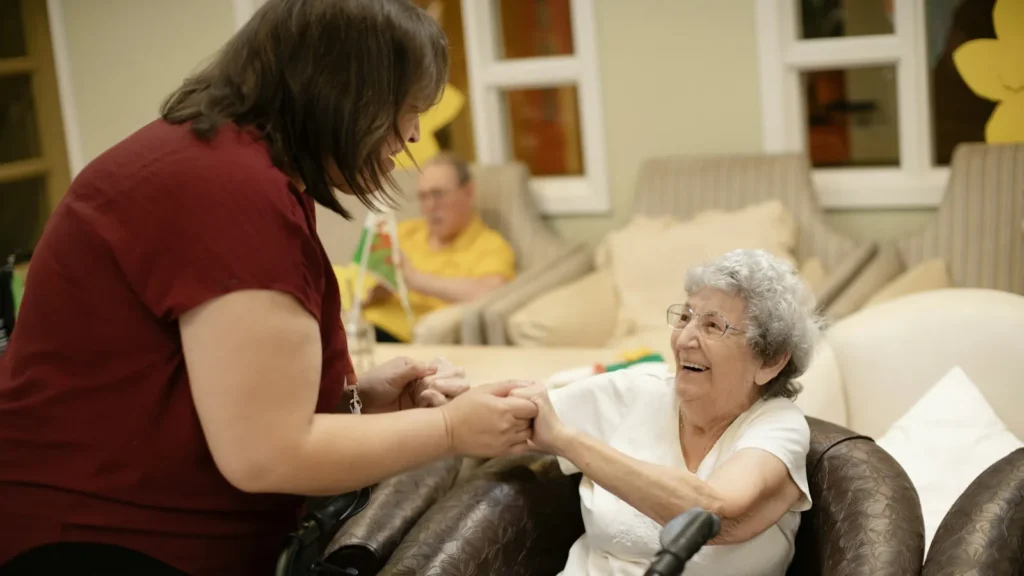
The Michigan Home Help program is a Medicaid benefit, run by the Michigan Department of Health and Human Services (MDHHS), that pays a caregiver to help an eligible adult or child with daily tasks at home. The caregiver can be a family member, friend, or agency aide. You qualify through Medicaid plus a documented need for hands-on help.
On this page
- What is the Michigan Home Help program?
- Who qualifies for Home Help in Michigan?
- What services does Home Help cover?
- How much does the Michigan Home Help program pay?
- Who can be your Home Help caregiver?
- How do you apply for the Michigan Home Help program?
- Home Help vs the MI Choice Waiver: which one fits?
- Frequently asked questions
Key takeaways
- Home Help is Michigan’s Medicaid personal care program. MDHHS runs it through your county office, not a private company.
- Your loved one needs active Michigan Medicaid and a doctor-certified need for help with at least one activity of daily living, such as bathing or dressing.
- Covered tasks include bathing, dressing, toileting, eating, mobility, medication reminders, meals, laundry, shopping, and housework.
- The person receiving care chooses the caregiver. An adult child, relative, friend, or neighbor can be paid after enrolling in CHAMPS.
- MDHHS sets an hourly rate for individual providers, and hours are set by an in-home assessment. Pay is verified with electronic visit verification (EVV).
- Supportive Solutions Homecare helps families across Detroit, Dearborn, Warren, Sterling Heights, Ann Arbor, Flint, Lansing, and Grand Rapids get through every step.
What is the Michigan Home Help program?
Home Help is the name Michigan uses for Medicaid State Plan personal care services. It pays for unskilled, hands-on help in the home so that an adult or child with a disability, illness, or age-related limitation can keep living at home instead of moving to a nursing facility.
The program is administered by MDHHS. An Adult Services Worker at your local MDHHS county office reviews the application, visits the home, and decides how many hours of care Medicaid will pay for each month.
What makes Home Help different from a typical home care benefit is that the person receiving care picks their own caregiver. Michigan calls that caregiver an individual provider. Many families use it to pay a daughter, son, sibling, or trusted friend who is already doing the work for free.
Home Help is not Medicare home health. Medicare pays for short-term skilled care after a hospital stay. Home Help pays for ongoing, non-medical personal care for as long as eligibility continues.
Who qualifies for Home Help in Michigan?
There are two tests, and your loved one must pass both. The first is financial: they need active Michigan Medicaid. The second is functional: a doctor must confirm they need hands-on help with everyday activities.
The Medicaid requirement
Home Help is only available to people enrolled in Michigan Medicaid. Most full-coverage Medicaid categories count, including coverage for seniors, people with disabilities, and adults on the Healthy Michigan Plan. If your loved one is not on Medicaid yet, they can apply through MI Bridges, the state’s online benefits portal.
Medicaid eligibility depends on income and, for some categories, countable assets. You can get a quick read on where your loved one stands with our free Medicaid eligibility check before you apply through MI Bridges.
The functional need requirement
MDHHS looks at activities of daily living (ADLs) and instrumental activities of daily living (IADLs). Your loved one must need hands-on assistance with at least one ADL. The ADLs Home Help measures are:
- Eating
- Toileting
- Bathing
- Grooming
- Dressing
- Transferring (getting in and out of a bed or chair)
- Mobility (moving around the home)
IADLs such as meal preparation, shopping, laundry, housework, and medication help can be added once an ADL need is established. A physician, physician assistant, or nurse practitioner must sign a medical needs form stating that the help is medically necessary.
Other basic rules
- Any age can qualify. Home Help serves children and adults, not only seniors.
- Your loved one must live in their own home, an apartment, or a family member’s home. Home Help does not pay for care in a nursing home, hospital, or licensed adult foster care home.
- The need must be ongoing, not a short recovery that Medicare home health would cover.
What services does Home Help cover?
Home Help pays for personal care and the household tasks that support it. It does not pay for skilled nursing, therapy, or 24-hour supervision on its own. The covered tasks are:
- Personal care: bathing, dressing, grooming, toileting, help with eating, transferring, and moving around the home.
- Medication: reminders and help setting up prescribed medications.
- Meal preparation: planning, cooking, and cleaning up after meals.
- Shopping: buying groceries and household necessities.
- Laundry: washing, drying, and putting away clothes and linens.
- Light housework: keeping the areas your loved one uses clean and safe.
Each task is assigned time during the assessment. The total becomes the monthly hours the caregiver can be paid for. Our Michigan Medicaid home care page lists what a day of covered care usually looks like.
How much does the Michigan Home Help program pay?
MDHHS pays individual providers a set hourly rate that the state adjusts from time to time. Through Supportive Solutions, caregivers earn a minimum of $18 per hour.
Your monthly pay is the hourly rate multiplied by the hours MDHHS authorizes. Hours are not a flat allowance. They are built task by task from the in-home assessment, so a person who needs help with bathing, dressing, meals, and toileting every day will be authorized for more hours than someone who only needs help with laundry and shopping.
Cases that need an unusually high number of hours go through an extra state-level review called Expanded Home Help Services. Payments are issued by MDHHS through CHAMPS, and caregivers document visits with electronic visit verification so the hours are paid on time.
For worked monthly examples and the difference between agency and individual provider pay, see how much family caregivers get paid in Michigan.
Who can be your Home Help caregiver?
The person receiving care chooses. Home Help allows almost any adult to serve as the paid individual provider, including:
- An adult son or daughter
- A sibling, grandchild, niece, nephew, or other relative
- A friend, neighbor, or member of your faith community
- An aide from a Home Help agency such as Supportive Solutions Homecare
There are limits. Under Home Help, a spouse generally cannot be paid to care for their husband or wife, and a parent cannot be paid to care for their own minor child. These come from federal Medicaid rules on legally responsible relatives. If you are the legal guardian or hold power of attorney, tell your Adult Services Worker up front, because MDHHS applies extra rules in those situations.
Every individual provider must be at least 18, pass a Michigan criminal background check, enroll in CHAMPS, and agree to use EVV. Certain convictions bar a person from being paid.
No license or CNA certificate is required. If you are already caring for a loved one, our get paid to care for a family member page explains how to turn that into paid work.
How do you apply for the Michigan Home Help program?
Applying takes a few coordinated steps between you, your doctor, and the county MDHHS office. Here is the order that works best.
- Confirm Medicaid. Make sure your loved one has active Michigan Medicaid. If not, apply through MI Bridges first, because Home Help cannot start without it. Use our eligibility checker to see if they are likely to qualify.
- Request Home Help. Call or visit the MDHHS office in your loved one’s county and ask for Adult Services. Say clearly that you are requesting the Home Help program. You can also ask Supportive Solutions Homecare to make the referral for you.
- Get the medical needs form signed. MDHHS will provide a medical needs form. Your loved one’s doctor, physician assistant, or nurse practitioner completes it, confirming the need for hands-on help.
- Complete the in-home assessment. An Adult Services Worker visits the home, asks about each ADL and IADL, and scores how much help is needed. Be honest about the hardest days, not the best ones.
- Enroll the caregiver in CHAMPS. The chosen caregiver creates a MiLogin account and completes the Home Help individual provider application in CHAMPS, including the background check consent. Our CHAMPS enrollment guide shows each screen.
- Receive the authorization and start care. MDHHS sends a notice listing the approved tasks and monthly hours. The caregiver starts logging visits with EVV, and MDHHS begins paying through CHAMPS.
How long the process takes depends on how quickly the medical form comes back and how busy the county office is. Families commonly report four to eight weeks from the first call to the first payment, but MDHHS does not publish a guaranteed timeline. Getting the Medicaid case and the doctor’s form done early is the fastest way to shorten it.
If you want to become a caregiver for someone you already know, start at become a paid caregiver and we will handle the referral, paperwork, and follow-up with the county office.
Home Help vs the MI Choice Waiver: which one fits?
Michigan has a second Medicaid program that can pay for care at home, the MI Choice Waiver. Families often confuse the two. Here is how they compare.
| Feature | Home Help | MI Choice Waiver |
|---|---|---|
| Who runs it | MDHHS county office (Adult Services Worker) | Regional waiver agents, usually Area Agencies on Aging |
| Level of need | Hands-on help with at least one ADL | Nursing-facility level of care |
| Age | Any age | Adults 18 and older with a disability, or 65 and older |
| Services | Personal care and household tasks | Personal care plus respite, adult day, home modifications, emergency response, meals, and care coordination |
| Paid family caregiver | Yes, chosen by the client, enrolled through CHAMPS | Often yes, through the self-determination option, subject to waiver agent rules |
| Waiting list | No | Some regions keep a waiting list |
Home Help is the right starting point for most families, because it has no waiting list and runs through the county office you already deal with for Medicaid. MI Choice fits people with heavier needs who would otherwise qualify for a nursing home. The waiver agent makes sure the two are not duplicated. Our MI Choice Waiver page and the comparison post Home Help vs MI Choice vs CDPAP go deeper.
One more note: if you searched for “CDPAP Michigan,” that is a New York program name. Michigan’s equivalent is Home Help.
About these figures: Pay rates, income and asset limits, costs, office details and timelines on this page are averages or estimates based on publicly available program information. They change over time and depend on your situation, and they are not a guarantee of pay, eligibility or approval. Call us at (313) 977-6888 for current rates and to check your specific case.
Frequently asked questions
Do you have to be on Medicaid to get the Home Help program?
Yes. Home Help is a Michigan Medicaid benefit, so the person receiving care must have active Medicaid before MDHHS can authorize hours. If they are not enrolled, apply through MI Bridges first. Many families do both applications at the same time so that Home Help can start as soon as Medicaid is approved.
What are ADLs and IADLs, and how many do you need help with to qualify?
ADLs are basic self-care tasks: eating, toileting, bathing, grooming, dressing, transferring, and mobility. IADLs are household tasks such as meal preparation, shopping, laundry, housework, and medication help. To qualify for Home Help, your loved one must need hands-on assistance with at least one ADL. IADL hours can then be added on top.
How much does the Michigan Home Help program pay per month?
Monthly pay equals the MDHHS hourly rate for individual providers multiplied by the hours authorized at the assessment. Through Supportive Solutions, caregivers earn a minimum of $18 per hour. Because hours are built from your loved one’s actual needs, two families with the same diagnosis can receive very different monthly amounts.
Can a family member get paid to be a caregiver in Michigan?
Yes. Home Help lets the person receiving care choose their own individual provider, and adult children, siblings, other relatives, friends, and neighbors are all allowed. The caregiver must be 18 or older, pass a background check, and enroll in CHAMPS. Spouses and parents of minor children are generally excluded under Home Help rules.
What is the MDHHS Home Help phone number?
Home Help applications go through the Adult Services unit at the MDHHS office in the county where your loved one lives, and each county has its own number. You can find your office through the MDHHS website, or call Supportive Solutions Homecare at (313) 977-6888 and we will make the referral for you.
Will Medicaid pay for caregivers in the home if my parent has dementia?
Often, yes. Dementia by itself is not the test; what matters is whether your parent needs hands-on help with ADLs such as bathing, dressing, or toileting, which is common as dementia progresses. Document the specific tasks your parent cannot do alone before the assessment visit.
Ready to see if your family qualifies for Home Help?
Supportive Solutions Homecare helps Michigan families in Detroit, Dearborn, Warren, Sterling Heights, Ann Arbor, Flint, Lansing, and Grand Rapids get approved for the Home Help program and get a family caregiver paid. We speak English, Arabic and Spanish.
Check your eligibility or call (313) 977-6888.